Offshore facilities are often described by the structures you can see, like the platform or the vessel hull. But offshore facilities are far more complex than a single structure. If you’ve ever worked offshore, you know that what keeps an offshore facility running is a combination of systems, standards and infrastructure working together in a highly constrained environment.
Whether it is a floating production unit or a fixed platform, offshore oil and gas facilities depend on a tightly integrated combination of structural design, operational systems and regulatory requirements. These offshore facilities are commonly used in oil and gas production, where drilling, processing and storage operations must function continuously in remote environments. Understanding how offshore facilities work provides a clearer picture of how they are designed, built and operated, and where modular solutions fit into that equation.
What Makes Up Offshore Facilities Beyond Platforms
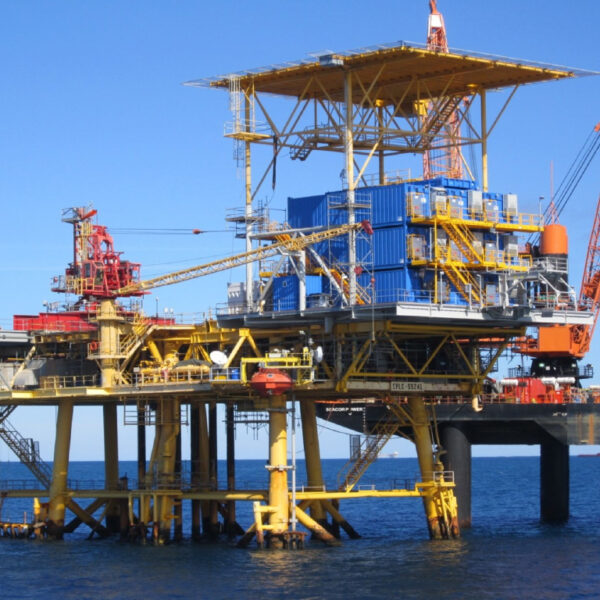
The term “offshore platform” is often used as a catch-all, but it only describes one part of an offshore facility. A complete offshore facility includes:
- The structural plaform or floating vessel (depending on the facility type)
- Process and production equipment
- Power distribution and control systems
- Accommodation and life-support spaces
- Safety, environmental and stability systems
Each of these components must function together in an environment where space is limited, loads are carefully managed and downtime is costly.
To understand how offshore facilities operate, it starts with the type of platform they’re built on.
Types Of Offshore Platforms And Their Role In Offshore Facilities
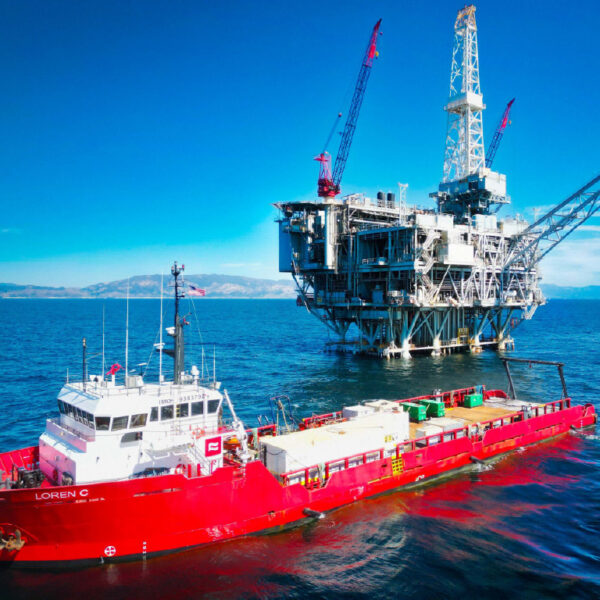
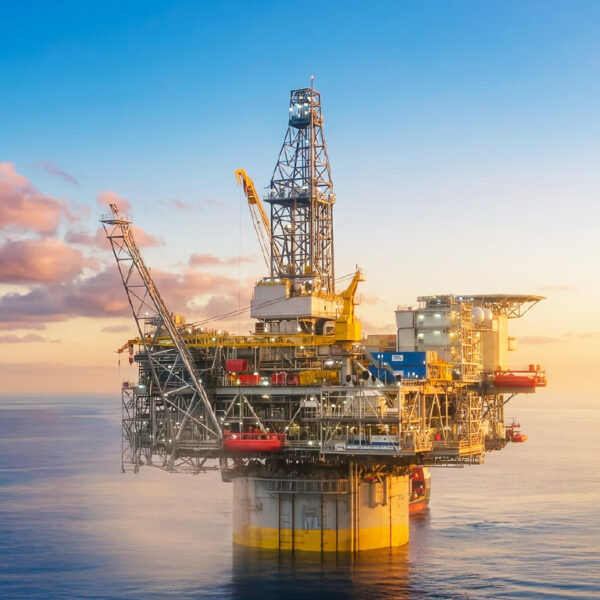
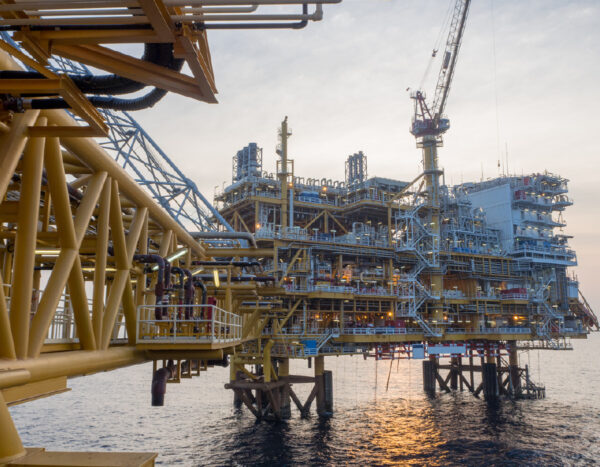 Offshore facilities are deployed across a range of platform types, each designed for specific water depths, environmental conditions and operational needs. Some of the types of offshore drilling platforms include fixed platforms, semi-submersibles, spars and floating production systems, as well as drilling rigs used across offshore oil and gas fields.
Each of these introduces different constraints that affect offshore facility design:
- Motion and stability characteristics
- Available deck space and load capacity
- Integration requirements for equipment and modules
- Installation and lifting limitations
These differences directly influence how offshore systems are designed and how infrastructure, such as accommodation units or technical buildings, is integrated into the facility.
How Offshore Facilities Work As Integrated Systems
Offshore facilities operate as integrated systems, where structural design, mechanical and subsea systems, and operational requirements all interact. No single component operates in isolation.
Two of the most critical system categories are stability systems and operational infrastructure. These systems support offshore activities ranging from exploration and production to maintenance and long-term operations.
Ballast Systems And Stability In Offshore Facilities
For floating offshore facilities, stability is not fixed, it must be actively managed. Ballast systems adjust the distribution of water within the structure to maintain balance, control draft and respond to changing operational conditions.
Ballast water is essential to floating offshore facility operation, particularly as loads shift during production, drilling or transport. At the same time, offshore ballast water systems are tightly regulated due to environmental risks associated with transporting marine organisms between regions.
Power, Control And Technical Infrastructure
Offshore facilities rely on complex electrical and control systems to operate safely and efficiently. These typically include:
- Electrical distribution equipment
- Motor control centers (MCCs)
- Variable frequency drives (VFDs)
- Control rooms and monitoring systems
Unlike onshore environments, offshore systems must be designed for:
- Harsh environmental exposure (salt, humidity, wind)
- Limited space and strict weight constraints
- Integration with existing offshore facility systems and engineering requirements
- Compliance with offshore classification standards
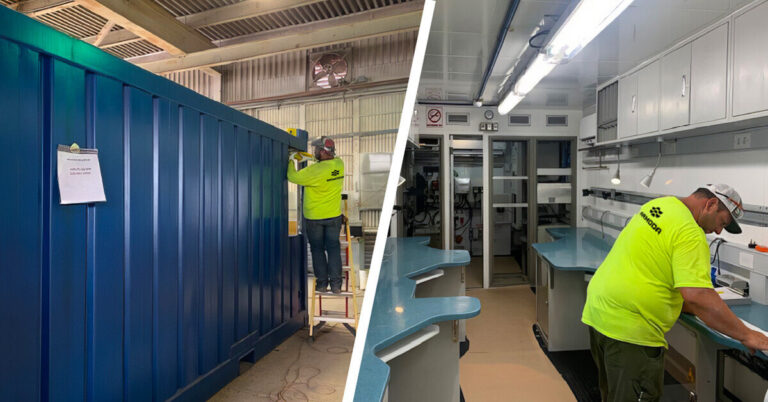
Modular technical buildings are commonly used to house electrical, control and support systems that would otherwise be assembled offshore under tighter constraints. Prefabricated electrical houses and control modules allow these systems to be engineered, assembled and tested onshore before deployment, reducing installation complexity offshore.
Standards And Certifications In Offshore Facility Design
Offshore facilities operate in one of the most highly regulated industrial environments. Every system, structure and component must meet defined regulatory requirements and standards to ensure safety, reliability and environmental compliance, depending on the operating location.
Offshore Certifications And Classification Requirements
Beyond quality systems, offshore facilities often require certification from classification societies and regulatory bodies. Depending on the project, this may include:
- ABS (American Bureau of Shipping)
- DNV (Det Norske Veritas)
- USCG (U.S. Coast Guard)
These requirements influence structural design, electrical systems, fire protection, materials selection and fabrication methods. Compliance is built into offshore facility design from the beginning, not added later.
Where Modular Buildings Fit Into Offshore Facilities
As offshore facilities become more complex, modular construction plays an increasingly important role in how infrastructure is delivered.
Offshore modular buildings are used for:
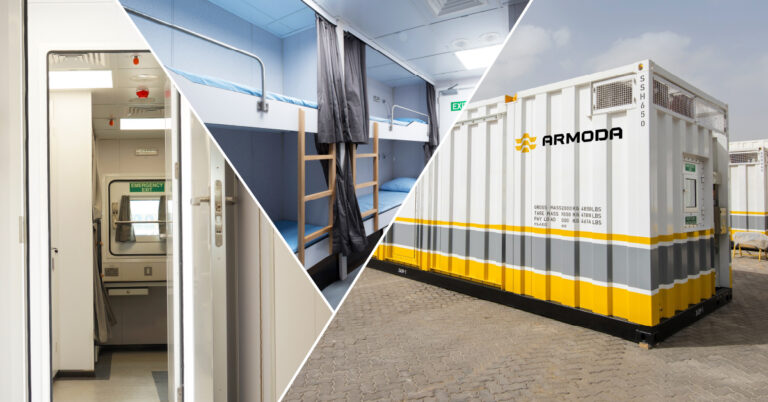
- Accommodation and living quarters
- Electrical and control buildings
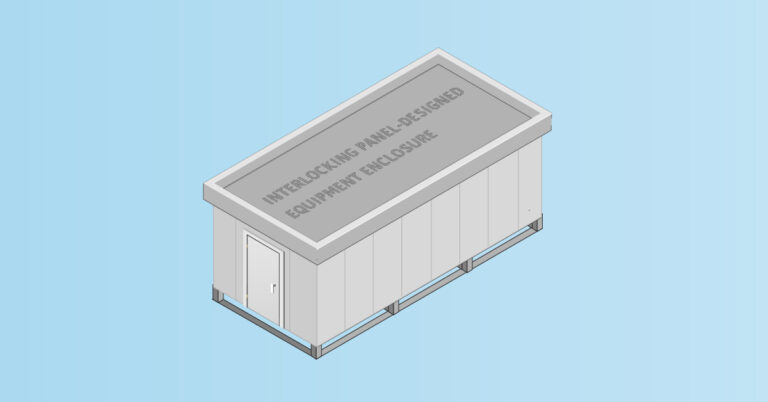
- Technical equipment enclosures
- Support and auxiliary systems
- Expanded POB (Personnel on Board) for turnarounds and maintenance
These modules are fabricated and assembled onshore, where quality control and testing can be completed in a controlled environment. Once complete, they are transported and installed offshore, often as modular buildings or single-lift units.
This approach helps offshore facilities address key challenges:
- Limited offshore construction windows
- Safety risks associated with field assembly
- Space and lifting constraints
- The need for reliable, pre-tested systems
Bringing It All Together
Offshore facilities are not defined by a single structure or system. They are integrated environments where platforms, systems and standards work together under tight constraints. Understanding how offshore facilities work—from platform selection to system integration and regulatory compliance—provides a clearer view of how these projects are executed and why coordination across all components is critical. As offshore operations continue to evolve, modular solutions provide a practical way to manage complexity, improve quality and reduce risk during installation.
If you’re evaluating how modular buildings integrate into offshore facilities, from electrical systems to accommodation, it’s time to talk with an expert at Armoda about your specific application and constraints.